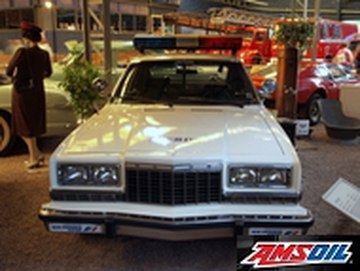
Maintaining Lubrication Integrity for the 1981 Dodge DIPLOMAT 3.7L
Proper engine care for a vehicle of this era requires a focus on consistent monitoring and proactive inspection. For owners of a 1981 Dodge DIPLOMAT equipped with the 3.7L engine, maintaining the lubrication system is a fundamental aspect of long-term mechanical health. Because older engines often experience changes in material properties over decades, staying attentive to fluid condition and potential leaks is essential for preventing unexpected issues.Monitoring Fluid Condition and Potential Leaks
A primary task during routine service is the visual assessment of the engine area for any signs of fluid loss. For a vehicle from 1981, it is practical to inspect various sealing surfaces and gaskets for evidence of seepage or active leakage. While some level of minor seepage can occur as gaskets age, an increase in the amount of oil found on the engine block or under the vehicle warrants closer investigation. When performing these inspections, look for:- Wetness or oily residue around common sealing areas.
- Accumulated grime that may be masking a slow leak.
- Evidence of fluid contacting hot external components, which can produce odors.
Prioritizing Maintenance Based on Current Condition
As vehicles age, the most effective way to manage maintenance is to prioritize tasks based on the actual, observed condition of the machine rather than relying solely on the calendar or mileage. For a 1981 Dodge DIPLOMAT, this means establishing a baseline of what "normal" looks like for your specific engine. If you have recently acquired the vehicle or do not have access to a complete service history, your first priority should be to document the current state of all vital fluids and mechanical components. Reviewing any available maintenance records can provide insight into when components were last addressed, which helps in distinguishing between necessary preventive maintenance and unnecessary parts replacement. When managing an older engine, focus on:- Addressing active leaks or visible signs of wear before moving to cosmetic or non-essential repairs.
- Monitoring the condition of aging materials, such as rubber hoses or belts, if they are present and accessible.
- Keeping a detailed log of all fluid changes, filter replacements, and observed mechanical behaviors.
Observing Potential Warning Signs
Staying alert to how the vehicle behaves during operation is a key part of effective ownership. Certain changes in the engine's performance or appearance can serve as early indicators that the lubrication system requires attention. If you observe unusual mechanical noises during startup or while idling, it may be worth investigating the lubrication status. Similarly, any sudden changes in how the engine handles heat should be monitored closely. While an oil-related warning light is a critical signal that requires immediate investigation, other more subtle signs—such as a change in the color or consistency of the oil when checked via the dipstick—can also provide useful information. It is important to approach these symptoms with a diagnostic mindset. For example, an unusual odor might indicate oil contacting a hot surface, but it does not automatically confirm a specific gasket failure. A thorough inspection is always the necessary next step to identify the true source of the observation.Managing Aging Components and Systems
Over several decades, various components within the engine bay may undergo changes due to heat cycles and age. For the 1981 Dodge DIPLOMAT, routine inspections should include a look at any accessible belts or hoses that are present. If equipped, check these items for signs of deterioration such as cracking, glazing, fraying, or excessive softness. Furthermore, electrical connections and wiring harnesses should be inspected for signs of brittleness or corrosion. Ensuring that all connectors are secure and clean helps maintain the integrity of the engine's various systems. While it is tempting to replace parts simply because they are old, a condition-based approach—where you inspect and only replace components that show actual signs of wear or impending failure—is often the most practical way to manage an older vehicle.Effective Record Keeping for Long-Term Ownership
Maintaining a comprehensive service history is one of the most valuable tools for any owner. For a 1981 Dodge DIPLOMAT, having a clear record of when oil was changed, which filters were used, and what repairs were performed allows you to spot trends over time. A well-maintained log helps in:- Identifying if the engine is consuming more oil than it did in previous years.
- Tracking the lifespan of various components to better predict future maintenance needs.
- Providing a clear history for any future service technicians, which can lead to more accurate diagnoses.
Practical Guidance for Buying Engine Oil for the 1981 Dodge DIPLOMAT 3.7L
When it is time to replenish your engine's lubricant, the most important step is to ensure the product matches the specific requirements of your application. Rather than relying on general automotive knowledge or assumptions based on the vehicle's age, you should always refer to the application-specific information provided on this page. Match the engine oil to the vehicle-specific viscosity and application information shown above. When selecting a product, consider the following:- Verify that the oil meets the appropriate API certification listed in your documentation.
- Check the product labeling carefully to ensure the grade matches what is required for your 3.7L engine.
- Depending on your specific needs and the condition of the engine, you may choose between conventional, synthetic blend, or full synthetic formulations, provided they align with the application details shown here.
- Some high-mileage oil formulations contain additives intended for use in aging engines, including seal-conditioning additives, which may be a consideration for older vehicles.